Quality Lasting Braids: One thing you might’ve noticed is I don’t always label my pictures with a specific size or style anymore and that’s intentional.
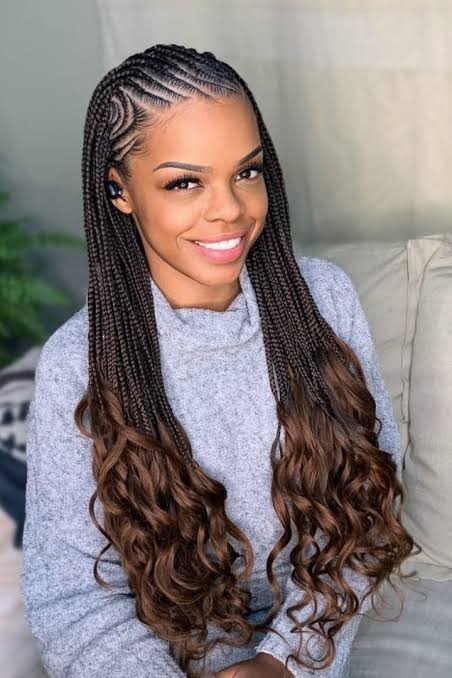
I don’t braid from a map.
I don’t count braids ahead of time.
I don’t really know how many braids I’m doing until my hands are in your hair.
Quality Lasting Braids
Quality Lasting Braids That’s because every head is different and I braid to what your hair needs, not a preset formula. The pros are braids that are truly made for you comfortable, balanced, and intentional. The cons are timing can’t always be exact.
I learned a long time ago it’s better to do it right than to rush it. My version of right is honoring your density, your texture, and your scalp.
Now let’s play a game 👀
What size do you think was booked for the reel you’re watching?
Quick tip Pauline a has a very soft texture.
I may not be the braider for everyone but the ones who do sit know they’re leaving with something done the right way just for them.
I used to say this ALL the time. We can only make the braid as “big” as the hair allows. It’s about matching the texture to what is needed.
I love how her hair is very natural beautiful and long and to add the protective hairstyle you did the knotless braids so as not to damage her natural hair 🔥❤️ black people are so beautiful 🔥 Gods amazing beings created in His own image.
Protective hairstyles are low-manipulation styles that shield hair ends and minimize breakage from environmental damage or heat, promoting growth by keeping hair tucked away. Popular styles include knotless braids, twists, faux locs, Bantu knots, and high buns, which should be applied to moisturized hair and not too tight. YouTube +4
Popular Protective Hairstyles
- Braids and Twists: Knotless braids, box braids, cornrows, stitch braids, and two-strand twists are effective at keeping ends protected.
- Updos and Buns: High-top buns, low buns, and chignons keep hair secure and off clothes, reducing friction.
- Extensions and Specialized Styles: Faux locs, goddess braids, and crochet braids allow for versatile looks while protecting natural hair.
- Short-Term/Daily Styles: Bantu knots, tuck and roll, and top knots (pineapple) are ideal for daily, low-manipulation protection.
Loreal Paris +6
- Moisturize First: Apply protective styles to clean, conditioned, and hydrated hair to avoid trapping dryness.
- Avoid Excessive Tension: Braids or twists that are too tight can cause tension breakage, especially around the edges.
- Nighttime Routine: Use silk or satin bonnets/scarves to prevent friction while sleeping.
- Avoid Constant Re-styling: Choose styles that last for several weeks to truly minimize manipulation.
YouTube +6
When to Avoid Protective Styles
Do not use protective styles if your hair is already severely damaged, shedding heavily, or if your scalp needs treatment